How to Avoid Falling in Your Own Home

Once you reach the age of 65, you are much more likely to fall and suffer a serious injury. With most people in this age group taking a tumble in their own home, it makes sense to keep your own dwelling as safe as possible to avoid “falling” into this category yourself. First, make sure there is an adequate amount of lighting throughout your home. You’ll also want to remove tripping hazards such as clutter, loose rugs, unsecured wires, and unstable furniture. Fix any uneven surfaces in and around your home. Install grab bars in the shower and next to the commode, as well as non-slip mats in the bathroom and kitchen. Keep stairs clear of clutter, make sure the handrails on your stairs are secure and that you use them, and always take your time walking up and down the stairs. Be mindful of your steps and try not to rush around. It is also important to identify any medically related risk factors such as gait abnormalities or other foot conditions that may affect your balance and sure-footedness. Make an appointment with a podiatrist who can offer advice on proper footwear, and fix any foot or ankle conditions that may be compromising your foot health.

Preventing falls among the elderly is very important. If you are older and have fallen or fear that you are prone to falling, consult with Patrick Bruton, DPM from Big Country foot and Ankle. Our doctor will assess your condition and provide you with quality advice and care.

Every 11 seconds, an elderly American is being treated in an emergency room for a fall related injury. Falls are the leading cause of head and hip injuries for those 65 and older. Due to decreases in strength, balance, senses, and lack of awareness, elderly persons are very susceptible to falling. Thankfully, there are a number of things older persons can do to prevent falls.

How to Prevent Falls

Some effective methods that older persons can do to prevent falls include:

  • Enrolling in strength and balance exercise program to increase balance and strength
  • Periodically having your sight and hearing checked
  • Discuss any medications you have with a doctor to see if it increases the risk of falling
  • Clearing the house of falling hazards and installing devices like grab bars and railings
  • Utilizing a walker or cane
  • Wearing shoes that provide good support and cushioning
  • Talking to family members about falling and increasing awareness

Falling can be a traumatic and embarrassing experience for elderly persons; this can make them less willing to leave the house, and less willing to talk to someone about their fears of falling. Doing such things, however, will increase the likelihood of tripping or losing one’s balance. Knowing the causes of falling and how to prevent them is the best way to mitigate the risk of serious injury.  

If you have any questions, please feel free to contact our offices located in Abilene, and Brownwood, TX . We offer the newest diagnostic and treatment technologies for all your foot care needs.
Read more about Falls Prevention

Morton’s Neuroma in Runners and Others

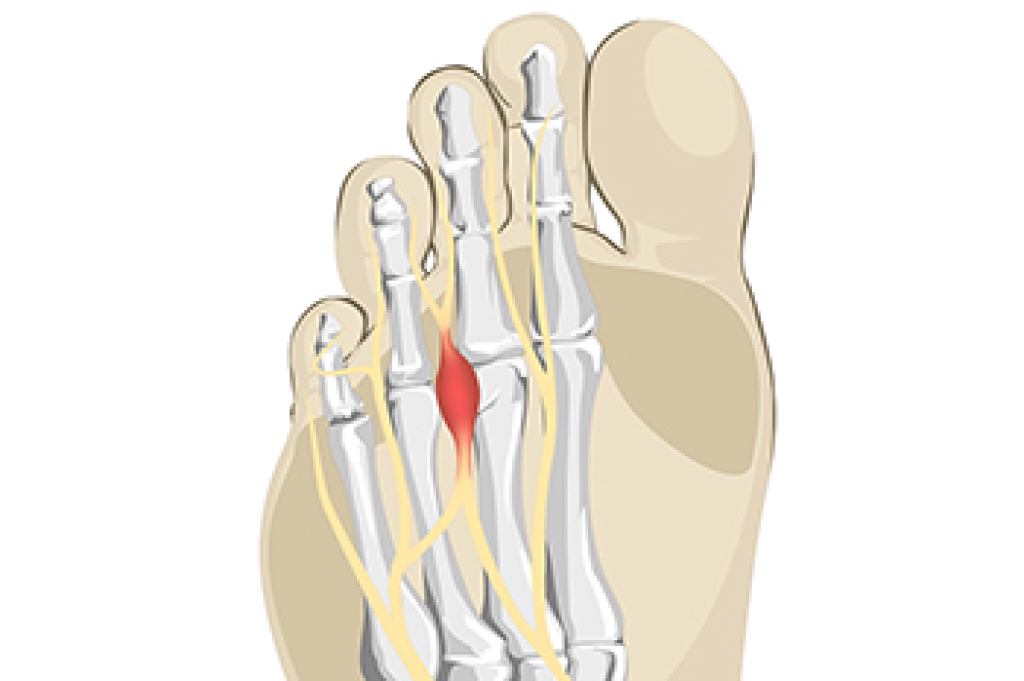
Many runners develop a condition known as Morton’s neuroma which is a thickening of a nerve in the foot. It usually affects the large nerve between the third and fourth toe, which is more susceptible to pressure, irritation and injury, and results in painful inflammation. Runners and people playing sports that involve pressure on the ball of the foot are more apt to develop this condition. Also, women wearing high heels, with a lack of room in the toe box and improper cushioning are susceptible. People with flat feet, high arches, bunions or hammertoes are also at risk. Morton’s neuroma is thought to be a progressive ailment, and for that reason diagnosis is often delayed until the condition becomes more severe. At some point, the symptoms become more painful and frequent and last longer. Many people complain of having a pebble in their shoe or feel like their sock is bunched up. It is suggested that you consult with a podiatrist at the earliest onset of such symptoms for a diagnosis and treatment plan.

Morton’s neuroma is a very uncomfortable condition to live with. If you think you have Morton’s neuroma, contact Patrick Bruton, DPM of Big Country foot and Ankle. Our doctor will attend to all of your foot care needs and answer any of your related questions.  

Morton’s Neuroma

Morton's neuroma is a painful foot condition that commonly affects the areas between the second and third or third and fourth toe, although other areas of the foot are also susceptible. Morton’s neuroma is caused by an inflamed nerve in the foot that is being squeezed and aggravated by surrounding bones.

What Increases the Chances of Having Morton’s Neuroma?

  • Ill-fitting high heels or shoes that add pressure to the toe or foot
  • Jogging, running or any sport that involves constant impact to the foot
  • Flat feet, bunions, and any other foot deformities

Morton’s neuroma is a very treatable condition. Orthotics and shoe inserts can often be used to alleviate the pain on the forefront of the feet. In more severe cases, corticosteroids can also be prescribed. In order to figure out the best treatment for your neuroma, it’s recommended to seek the care of a podiatrist who can diagnose your condition and provide different treatment options.

If you have any questions, please feel free to contact our offices located in Abilene, and Brownwood, TX . We offer the newest diagnostic and treatment technologies for all your foot care needs.

Read more about Morton's Neuroma

When Rheumatoid Arthritis Affects the Ankles

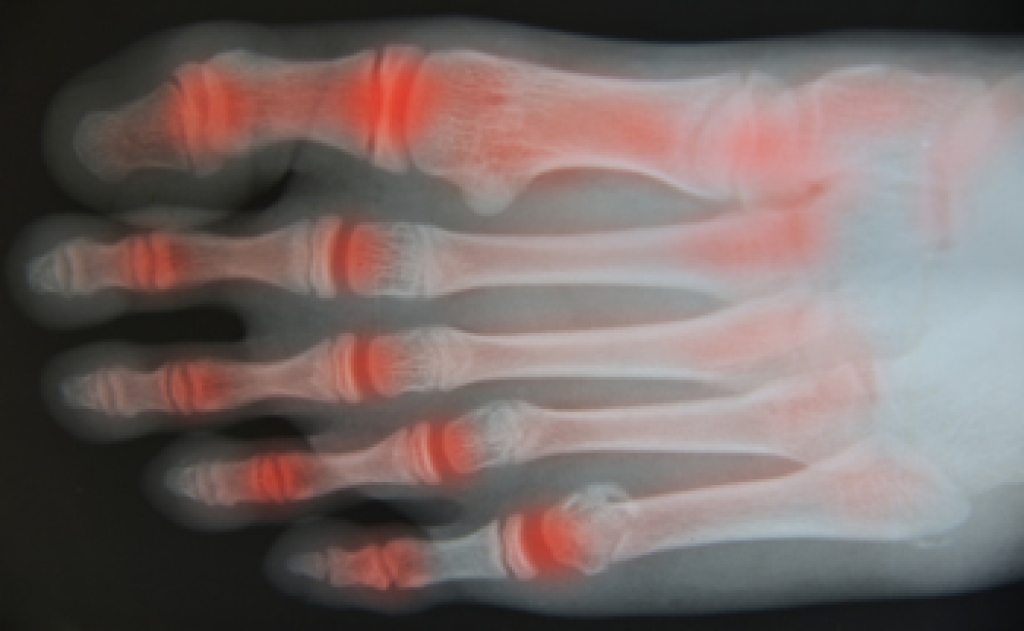
The synovial membrane is the protective tissue that surrounds joints such as the ankle. Rheumatoid arthritis is an auto-immune disease in which the body attacks this tissue causing it to become swollen and filled with fluid. Over time, this fluid can break the ankle joint down, causing it to become misaligned, deformed, and stiff. Other symptoms include ankle pain, fatigue, and fever. If the inflammation of rheumatoid arthritis goes unchecked, it may affect other parts of the body and lead to other diseases. While genetics can make you more predisposed to infections that may bring on rheumatoid arthritis, smoking, old age, and obesity may also increase your risks of contracting this disease. If you have pain in your ankles due to rheumatoid arthritis, a podiatrist may treat you with medications, physical therapy, orthotics, steroid injections or, in worst case scenarios, surgery to increase stability, reduce pain, and restore mobility in the ankles.

Because RA affects more than just your joints, including the joints in your feet and ankles, it is important to seek early diagnosis from your podiatrist if you feel like the pain in your feet might be caused by RA. For more information, contact Patrick Bruton, DPM of Big Country foot and Ankle. Our doctor will assist you with all of your podiatric concerns.

What Is Rheumatoid Arthritis?

Rheumatoid Arthritis (RA) is an autoimmune disorder in which the body’s own immune system attacks the membranes surrounding the joints. Inflammation of the lining and eventually the destruction of the joint’s cartilage and bone occur, causing severe pain and immobility.

Rheumatoid Arthritis of the Feet

Although RA usually attacks multiple bones and joints throughout the entire body, almost 90 percent of cases result in pain in the foot or ankle area.

Symptoms

  • Swelling and pain in the feet
  • Stiffness in the feet
  • Pain on the ball or sole of feet
  • Joint shift and deformation

Diagnosis

Quick diagnosis of RA in the feet is important so that the podiatrist can treat the area effectively. Your doctor will ask you about your medical history, occupation, and lifestyle to determine the origin of the condition. Rheumatoid Factor tests help to determine if someone is affected by the disease.

If you have any questions, please feel free to contact our offices located in Abilene, and Brownwood, TX . We offer the newest diagnostic and treatment technologies for all your foot care needs.

Read more about Rheumatoid Arthritis in the Feet

Reasons You May Need to See a Podiatrist

If your feet hurt while walking, running, or even standing still for long periods of time, it may be an indication that you need the care of a podiatrist, which is a medical doctor who specializes in problems of the foot and ankle. Other foot problems that may need such attention include bunions, hammertoes, swollen feet and ankles, heel pain, corns or calluses that hurt when you walk, or itching and scaling skin on the feet or toes. Other indications that you may need to see a podiatrist include, pain in the ball of the foot, discoloration of the toes, feet that are cold and sweaty, foot pain while wearing shoes, and pain when walking barefoot. A podiatrist can also help with sports-related injuries and foot or ankle problems resulting from other health conditions, such as diabetes, high blood pressure or obesity. If you have arthritis or rheumatism, a podiatrist can help to address these issues before they cause more serious complications to your feet. Regular visits with a podiatrist may save you from many years of pain and discomfort.  

If you are experiencing pain in the feet or ankles, don’t join the stubborn majority refusing treatment. Feel free to contact Patrick Bruton, DPM from Big Country foot and Ankle. Our doctor can provide the care you need to keep you pain-free and on your feet.

What Is a Podiatrist?

Someone would seek the care of a podiatrist if they have suffered a foot injury or have common foot ailments such as heal spurs, bunions, arch problems, deformities, ingrown toenails, corns, foot and ankle problems, etc.

Podiatric Treatment

A podiatrist will treat the problematic areas of the feet, ankle or lower leg by prescribing the following:

  • Physical therapy
  • Drugs
  • Orthotic inserts or soles
  • Surgery on lower extremity fractures

A common podiatric procedure a podiatrist will use is a scanner or force plate which will allow the podiatrist to know the designs of orthotics. Patients are then told to follow a series of tasks to complete the treatment. The computer will scan the foot a see which areas show weight distribution and pressure points. The podiatrist will read the analysis and then determine which treatment plans are available.

If you have any questions, please feel free to contact our offices located in Abilene, and Brownwood, TX . We offer the newest diagnostic and treatment technologies for all your foot care needs.

Read more about What is a Podiatrist?

Connect With Us