Foot or ankle pain can negatively affect your day-to-day life and can occur due to several different conditions. Pain can also be an indicator of a more serious underlying condition, which is why you should seek professional help as soon as you notice any abnormalities in your feet.
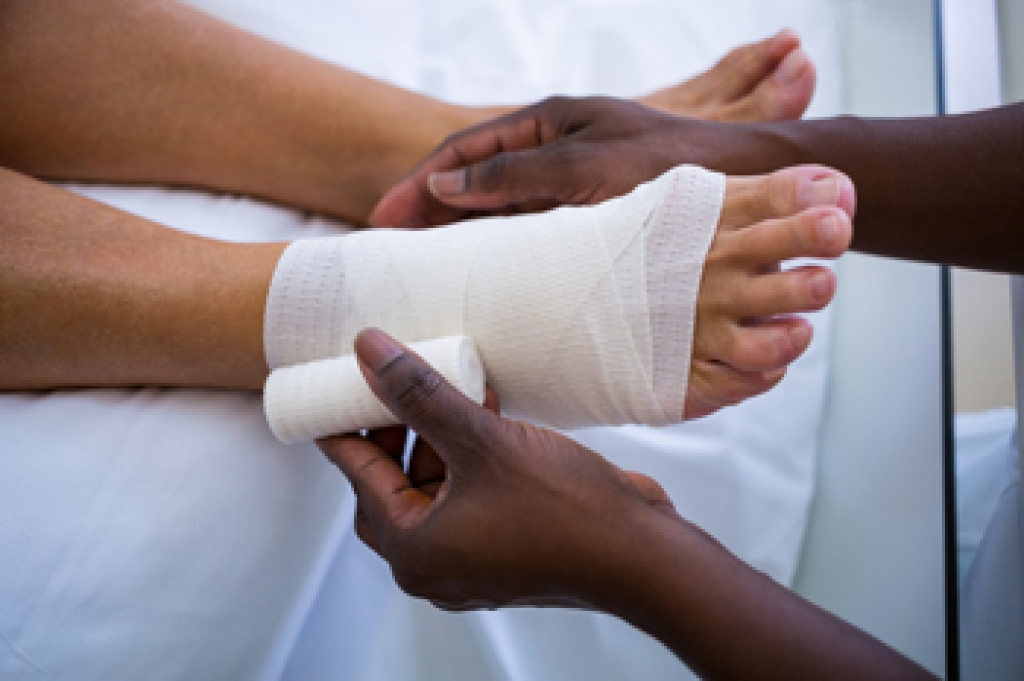
Podiatrists play a vital role in managing wounds on the feet and lower legs, which people with diabetes, poor circulation, or nerve damage are especially prone to. Foot wounds can heal slowly due to reduced blood flow and constant pressure from walking, increasing the risk of infection. A podiatrist begins with a detailed evaluation to identify the cause and severity of the wound. Treatment may involve removing damaged tissue, applying specialized dressings, and using offloading devices to reduce pressure on the affected area. They also monitor healing progress and work closely with other healthcare providers, when needed. Prompt, expert care from a podiatrist can prevent complications, including severe infection or limb loss. If you have a slow-healing or infected wound on your foot, it is suggested that you see a podiatrist promptly for professional assessment and effective care.
Wound care is an important part in dealing with diabetes. If you have diabetes and a foot wound or would like more information about wound care for diabetics, consult with Patrick Bruton, DPM from Big Country foot and Ankle. Our doctor will assess your condition and provide you with quality foot and ankle treatment.
What Is Wound Care?
Wound care is the practice of taking proper care of a wound. This can range from the smallest to the largest of wounds. While everyone can benefit from proper wound care, it is much more important for diabetics. Diabetics often suffer from poor blood circulation which causes wounds to heal much slower than they would in a non-diabetic.
What Is the Importance of Wound Care?
While it may not seem apparent with small ulcers on the foot, for diabetics, any size ulcer can become infected. Diabetics often also suffer from neuropathy, or nerve loss. This means they might not even feel when they have an ulcer on their foot. If the wound becomes severely infected, amputation may be necessary. Therefore, it is of the upmost importance to properly care for any and all foot wounds.
How to Care for Wounds
The best way to care for foot wounds is to prevent them. For diabetics, this means daily inspections of the feet for any signs of abnormalities or ulcers. It is also recommended to see a podiatrist several times a year for a foot inspection. If you do have an ulcer, run the wound under water to clear dirt from the wound; then apply antibiotic ointment to the wound and cover with a bandage. Bandages should be changed daily and keeping pressure off the wound is smart. It is advised to see a podiatrist, who can keep an eye on it.
If you have any questions please contact our offices located in Abilene,and Brownwood, TX. We offer the newest diagnostic and treatment technologies for all your foot and ankle needs.
When choosing high heels, the most important measurement is the heel-to-ball length, not the overall foot size. This ensures proper alignment, allowing the ball of the foot to rest where the shoe bends. A poor fit in this area can cause instability, discomfort, and long-term issues. To improve stability, select heels with a pitch that remains perpendicular to the ground and a base that supports balance. Proper fit and posture reduce strain on the feet and lower legs. A podiatrist can assess your foot structure and recommend strategies or custom inserts to improve comfort in high heels. If you have developed a foot or ankle injury from frequently wearing high heels, it is suggested that you consult a podiatrist who can treat various foot injuries, and guide you how to choose high heels that properly fit your foot.
Getting the right shoe size is an important part of proper foot health. Seek the assistance of Patrick Bruton, DPM from Big Country foot and Ankle. Our doctor will provide the care you need to keep you pain-free and on your feet.
Getting the Right Shoe Size
There are many people who wear shoes that are the incorrect size, negatively affecting their feet and posture. Selecting the right shoes is not a difficult process, so long as you keep several things in mind when it comes to choosing the right pair.
When visiting the shoe store, use the tools available to measure your foot.
Be sure there is ‘wiggle room’. There should be about an inch between your toes and the tip of your shoes.
Do not always assume you are the same size, as manufacturers run differently.
Purchase shoes later in the day, as your feet swell as the day progresses.
If a shoe is not comfortable, it is not suitable. Most shoes can’t be ‘broken in’, and comfort should be the ultimate goal when it comes to choosing the right pair of shoes
As our feet hold our body weight and keep us moving, it is important to treat them right. Picking the right pair of shoes can provide your feet comfort and mobility without pain.
If you have any questions, please feel free to contact our offices located in Abilene,and Brownwood, TX. We offer the newest diagnostic and treatment technologies for all your foot care needs.
Plantar fibromatosis, also known as Lederhose disease, is a condition marked by the development of firm nodules in the arch of the foot within the plantar fascia. These benign growths are usually slow-forming and may cause pain, pressure, or discomfort while walking or standing. Symptoms include noticeable lumps, tightening of the fascia, and difficulty in wearing shoes. Risk factors may involve genetics, repeated foot trauma, or certain health conditions, such as diabetes or epilepsy. A podiatrist can evaluate the condition through physical examination and imaging, offering treatments like orthotics, or surgical options, if needed. If you notice unusual lumps in the arch of your foot, or have foot pain, it is suggested that you consult a podiatrist for an expert diagnosis and personalized care.
A plantar fibroma may disrupt your daily activities. If you have any concerns, contact Patrick Bruton, DPM of Big Country foot and Ankle. Our doctor can provide the care you need to keep you pain-free and on your feet.
Plantar Fibroma
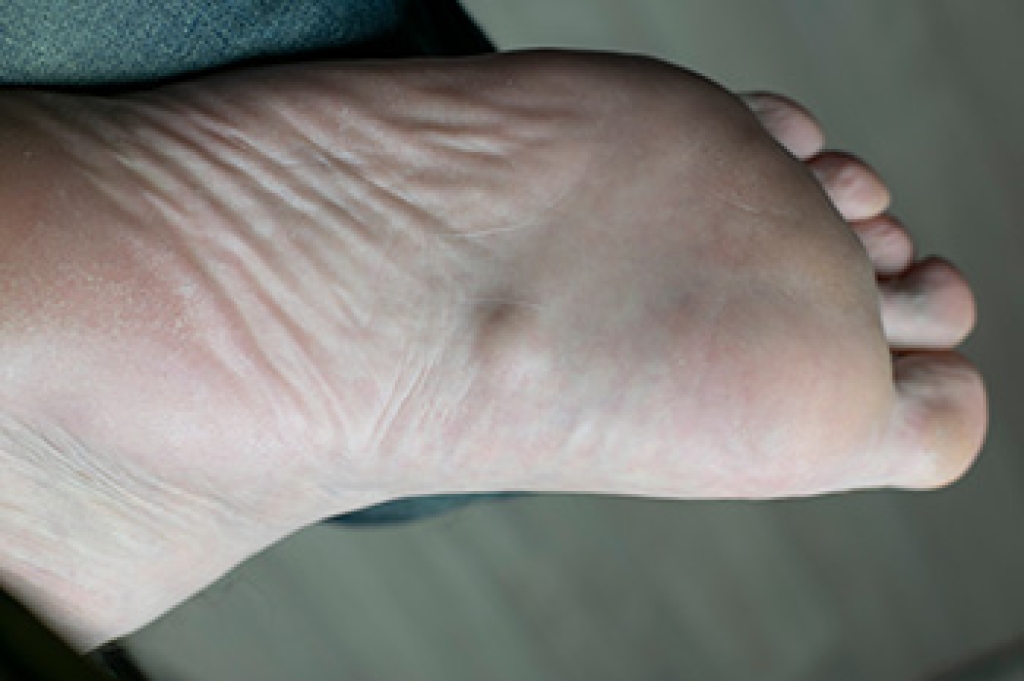
A plantar fibroma is a fibrous knot in the arch of the foot. It is embedded in the plantar fascia which is a band of tissue that extends from the heel to the toes along the bottom of the foot. There can be multiple plantar fibromas in the feet at the same time. There are no known causes for this condition. If you have a plantar fibroma, there will be a bump in the arch of your foot that cannot be missed. Any associated pain is most often due to a shoe rubbing against the nodule. Non-surgical options, such as steroid injections, physical therapy, and orthotics should be tried first. Surgery is a last resort and is the only thing that will remove a plantar fibroma entirely. Consult with a podiatrist for a proper diagnosis and to determine the treatment regimen that is right for you.
What Causes a Plantar Fibroma?
While there are no specific causes identified, a plantar fibroma can possibly come from genetic predisposition or the formation of scar tissue that forms from healing the tears in the plantar fascia.
What Are the Symptoms of a Plantar Fibroma?
There will be a noticeable lump in the arch of the foot that may or may not cause pain. If pain is felt, it is typically because a shoe is rubbing up against the lump or when walking or standing barefoot.
Treatment and Prevention
A plantar fibroma will not disappear without treatment, but it can get smaller and be a non-issue. If pain persists, a podiatrist examines the foot and when the arch of the foot is pressed, pain can be felt down to the toes. An MRI or biopsy might be performed to help diagnose or evaluate the plantar fibroma. The following non-surgical options are generally enough to reduce the size and pain of these nodules:
Steroid injections
Orthotics
Physical therapy to help apply anti-inflammatory creams on the bump
Surgery is considered if the mass increases in size and the patient continues to feel pain after non-surgical methods are tried.
If you have any questions, please feel free to contact our offices located in Abilene,and Brownwood, TX. We offer the newest diagnostic and treatment technologies for all your foot care needs.
Plantar fasciitis is a common source of heel and arch pain, often linked to inflammation where a band of tissue called the plantar fascia attaches to the heel bone. This tissue supports the arch of the foot and can develop tiny tears from repeated strain. Pain typically feels worse with the first steps after sleeping or resting. Risk factors of plantar fasciitis include prolonged standing, repetitive foot strain, and shoes that lack adequate support. A podiatrist can examine the foot to confirm plantar fasciitis and provide treatment options, such as custom orthotics to improve foot alignment and cushioning. If pain persists, a podiatrist may recommend corticosteroid injections or surgery, in severe cases. Surgery may involve releasing part of the plantar fascia to relieve tension and remove any bone spurs that have formed. If you have foot pain indicating plantar fasciitis, it is suggested that you schedule an appointment with a podiatrist for an exam and appropriate treatment options.
Plantar fasciitis can be very painful and inconvenient. If you are experiencing heel pain or symptoms of plantar fasciitis, contact Patrick Bruton, DPM from Big Country foot and Ankle. Our doctor can provide the care you need to keep you pain-free and on your feet.
What Is Plantar Fasciitis?
Plantar fasciitis is the inflammation of the thick band of tissue that runs along the bottom of your foot, known as the plantar fascia, and causes mild to severe heel pain.
What Causes Plantar Fasciitis?
Excessive running
Non-supportive shoes
Overpronation
Repeated stretching and tearing of the plantar fascia
Shockwave therapy – sound waves are sent to the affected area to facilitate healing and are usually used for chronic cases of plantar fasciitis
Surgery – usually only used as a last resort when all else fails. The plantar fascia can be surgically detached from the heel
While very treatable, plantar fasciitis is definitely not something that should be ignored. Especially in severe cases, speaking to your doctor right away is highly recommended to avoid complications and severe heel pain. Your podiatrist can work with you to provide the appropriate treatment options tailored to your condition.
If you have any questions, please feel free to contact our offices located in Abilene,and Brownwood, TX. We offer the newest diagnostic and treatment technologies for all your foot care needs.