
Suffering from this type of pain? You may have the foot condition known as Morton's neuroma. Morton's neuroma may develop as a result of ill-fitting footwear and existing foot deformities. We can help.
Suffering from this type of pain? You may have the foot condition known as Morton's neuroma. Morton's neuroma may develop as a result of ill-fitting footwear and existing foot deformities. We can help.

Ankle fusion surgery is used to treat severe ankle pain, often caused by advanced osteoarthritis that damages the joint. In this procedure, the ankle bones are joined so the joint no longer moves. This can help to reduce pain by stopping bone-on-bone contact when you move. One of the main benefits of ankle fusion surgery is strong pain relief and improved stability, which can make standing and walking easier. However, there are important drawbacks. For instance, the ankle loses its natural motion, which can affect balance and change walking patterns. In addition, nearby joints may take on more stress, which can lead to additional discomfort. Recovery can take months, as the bones heal and fuse into one solid structure. A podiatrist can assess your symptoms, review X-rays, and determine if this procedure is the right option based on your condition. If you have severe ankle pain, it is suggested that you make an appointment with a podiatrist for help.
Foot surgery is sometimes necessary to treat a foot ailment. To learn more, contact Patrick Bruton, DPM of Big Country foot and Ankle. Our doctor will assist you with all of your foot and ankle needs.
When Is Surgery Necessary?
Foot and ankle surgery is generally reserved for cases in which less invasive, conservative procedures have failed to alleviate the problem. Some of the cases in which surgery may be necessary include:
What Types of Surgery Are There?
The type of surgery you receive will depend on the nature of the problem you have. Some of the possible surgeries include:
Benefits of Surgery
Although surgery is usually a last resort, it can provide more complete pain relief compared to non-surgical methods and may allow you to finally resume full activity.
Surgical techniques have also become increasingly sophisticated. Techniques like endoscopic surgery allow for smaller incisions and faster recovery times.
If you have any questions, please feel free to contact our offices located in Abilene, and Brownwood, TX . We offer the newest diagnostic and treatment technologies for all your foot care needs.

Choosing the right running shoes is essential for comfort, performance, and injury prevention. Start by understanding your goals and the type of running you plan to do. Knowing your arch type is important. A neutral arch provides balanced support, a low arch often leads to increased inward rolling of the foot, and a high arch may result in reduced shock absorption. Understanding your running gait also plays a key role. Neutral pronation allows even weight distribution, overpronation causes excessive inward movement, and supination results in outward rolling. Each pattern affects how your foot interacts with the ground. A podiatrist can help by evaluating your foot structure and gait to recommend proper footwear or orthotics. If you have sustained a foot injury from wearing the wrong shoes while running, it is suggested that you consult a podiatrist for appropriate treatment solutions and guidance on choosing the right shoes and fit.
You should always make sure your running shoes fit properly in order to avoid injury. For more information, contact Patrick Bruton, DPM from Big Country foot and Ankle. Our doctor can provide the care you need to keep you pain-free and on your feet.
Choosing the Right Running Shoe for Your Foot Type
Improper shoe sizing can cause a myriad of problems for your feet. Shoes that don’t fit you properly can lead to muscular imbalances in your body, which can result in foot, knee, and hip injuries.
Tips for Finding the Right Running Shoe
If you have any questions, please feel free to contact our offices located in Abilene, and Brownwood, TX . We offer the newest diagnostic and treatment technologies for all your foot care needs.
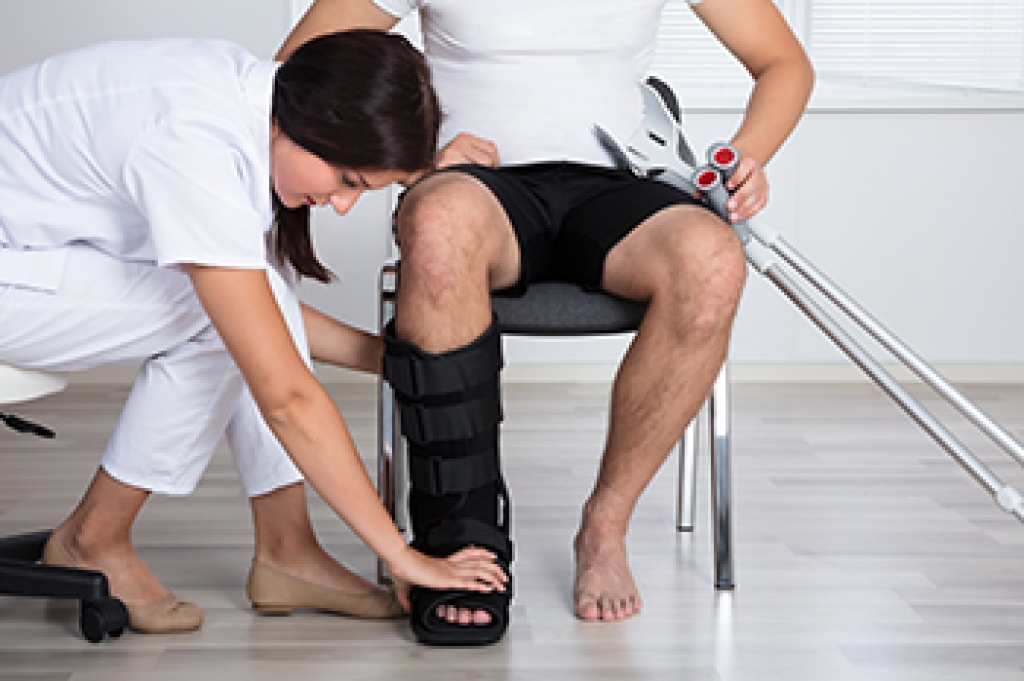
A walking boot is a supportive medical device used to protect the foot and ankle after an injury or surgery. It is often prescribed for fractures, severe sprains, torn tendons, and stress injuries. Tendons are strong tissues that connect muscles to bones. The boot limits movement and holds the foot in a stable position, which helps reduce pain and prevents further damage. Many walking boots have rigid outer shells, cushioned liners, and adjustable straps that extend above the ankle to improve stability. This design allows people to move more safely while healing. A podiatrist can evaluate swelling, bruising, and walking ability to decide if a walking boot is needed. They may also order imaging tests or X-rays to confirm a diagnosis and monitor recovery. If you believe you have endured a painful foot or ankle injury, it is suggested that you make an appointment with a podiatrist for an exam, diagnosis, and treatment.
If you are having discomfort in your feet and would like to try orthotics, contact Patrick Bruton, DPM from Big Country foot and Ankle. Our doctor can provide the care you need to keep you pain-free and on your feet.
What Are Orthotics?
Orthotics are inserts you can place into your shoes to help with a variety of foot problems such as flat feet or foot pain. Orthotics provide relief and comfort for minor foot and heel pain but can’t correct serious biomechanical problems in your feet.
Over-the-Counter Inserts
Orthotics come in a wide variety of over-the-counter inserts that are used to treat foot pain, heel pain, and minor problems. For example, arch supports can be inserted into your shoes to help correct overarched or flat feet, while gel insoles are often used because they provide comfort and relief from foot and heel pain by alleviating pressure.
Prescription Orthotics
If over-the-counter inserts don’t work for you or if you have a more severe foot concern, it is possible to have your podiatrist prescribe custom orthotics. These high-quality inserts are designed to treat problems such as abnormal motion, plantar fasciitis, and severe forms of heel pain. They can even be used to help patients suffering from diabetes by treating foot ulcers and painful calluses and are usually molded to your feet individually, which allows them to provide full support and comfort.
If you are experiencing minor to severe foot or heel pain, it’s recommended to speak with your podiatrist about the possibilities of using orthotics. A podiatrist can determine which type of orthotic is right for you and allow you to take the first steps towards being pain-free.
If you have any questions, please feel free to contact our offices located in Abilene, and Brownwood, TX . We offer the newest diagnostic and treatment technologies for all your foot care needs.

Rheumatoid arthritis is an autoimmune condition that causes chronic inflammation in the joints. The immune system mistakenly attacks the lining of the joints, leading to swelling, stiffness, and pain. The feet and ankles are often affected because they contain many small joints that help support body weight and movement. People with rheumatoid arthritis may notice tenderness in the forefoot, arch discomfort, ankle instability, or gradual changes in foot shape. Ongoing inflammation can weaken ligaments and damage joint surfaces, and over time, make walking more difficult. Management often focuses on reducing stress on the affected joints while maintaining mobility. Wearing supportive footwear, custom orthotics, and activity modification can help reduce pressure during daily movement. Targeted exercises may also help preserve flexibility and strength. When foot or ankle pain related to rheumatoid arthritis begins to limit comfort or mobility, it is suggested that a podiatrist evaluate the condition and recommend appropriate treatment.
Because RA affects more than just your joints, including the joints in your feet and ankles, it is important to seek early diagnosis from your podiatrist if you feel like the pain in your feet might be caused by RA. For more information, contact Patrick Bruton, DPM of Big Country foot and Ankle. Our doctor will assist you with all of your podiatric concerns.
What Is Rheumatoid Arthritis?
Rheumatoid Arthritis (RA) is an autoimmune disorder in which the body’s own immune system attacks the membranes surrounding the joints. Inflammation of the lining and eventually the destruction of the joint’s cartilage and bone occur, causing severe pain and immobility.
Rheumatoid Arthritis of the Feet
Although RA usually attacks multiple bones and joints throughout the entire body, almost 90 percent of cases result in pain in the foot or ankle area.
Symptoms
Diagnosis
Quick diagnosis of RA in the feet is important so that the podiatrist can treat the area effectively. Your doctor will ask you about your medical history, occupation, and lifestyle to determine the origin of the condition. Rheumatoid Factor tests help to determine if someone is affected by the disease.
If you have any questions, please feel free to contact our offices located in Abilene, and Brownwood, TX . We offer the newest diagnostic and treatment technologies for all your foot care needs.
Connect With Us
