
Why Falls Lead to Foot and Ankle Injuries

Falls are a leading cause of foot and ankle injuries, especially in active adults and aging populations. These injuries occur when sudden impact or awkward positioning places stress on the ankle joint. The joint functions as a hinge that allows movement while maintaining stability. When a fall forces the joint beyond its normal range, ligaments can stretch or tear, and bones may fracture. Recognizing the causes behind these injuries helps guide effective prevention.

Common symptoms include pain, swelling, bruising, and reduced mobility. Many individuals experience difficulty walking or standing after a fall. In some cases, there may be a popping sensation at the time of injury, followed by instability. Ignoring these symptoms can lead to improper healing and long term complications such as chronic ankle instability or arthritis.


Risk factors vary but often include age-related changes in balance and strength. Occupations that involve climbing or working on uneven surfaces increase exposure to falls. Certain medications that cause dizziness or drowsiness can impair coordination. Underlying health conditions, such as poor circulation or nerve damage, may also reduce awareness of foot placement. Gender differences in footwear and activity levels can further influence injury risk.


Effective prevention focuses on improving stability and reducing hazards. Wearing well fitted, supportive shoes helps maintain balance and reduce strain on the ankle. Regular exercise can strengthen muscles and improve coordination. Creating a safe environment at home and work is important, in addition to reviewing medications with a healthcare provider. If you have concerns about falls prevention or have sustained a foot or ankle injury, it is strongly suggested that you seek care from a podiatrist for a proper evaluation and treatment.

Preventing falls among the elderly is very important. If you are older and have fallen or fear that you are prone to falling, consult with Patrick Bruton, DPM from Big Country foot and Ankle. Our doctor will assess your condition and provide you with quality advice and care.

Every 11 seconds, an elderly American is being treated in an emergency room for a fall related injury. Falls are the leading cause of head and hip injuries for those 65 and older. Due to decreases in strength, balance, senses, and lack of awareness, elderly persons are very susceptible to falling. Thankfully, there are a number of things older persons can do to prevent falls.

How to Prevent Falls

Some effective methods that older persons can do to prevent falls include:

  • Enrolling in strength and balance exercise program to increase balance and strength
  • Periodically having your sight and hearing checked
  • Discuss any medications you have with a doctor to see if it increases the risk of falling
  • Clearing the house of falling hazards and installing devices like grab bars and railings
  • Utilizing a walker or cane
  • Wearing shoes that provide good support and cushioning
  • Talking to family members about falling and increasing awareness

Falling can be a traumatic and embarrassing experience for elderly persons; this can make them less willing to leave the house, and less willing to talk to someone about their fears of falling. Doing such things, however, will increase the likelihood of tripping or losing one’s balance. Knowing the causes of falling and how to prevent them is the best way to mitigate the risk of serious injury.  

If you have any questions, please feel free to contact our offices located in Abilene, and Brownwood, TX . We offer the newest diagnostic and treatment technologies for all your foot care needs.
Read more about Falls Prevention

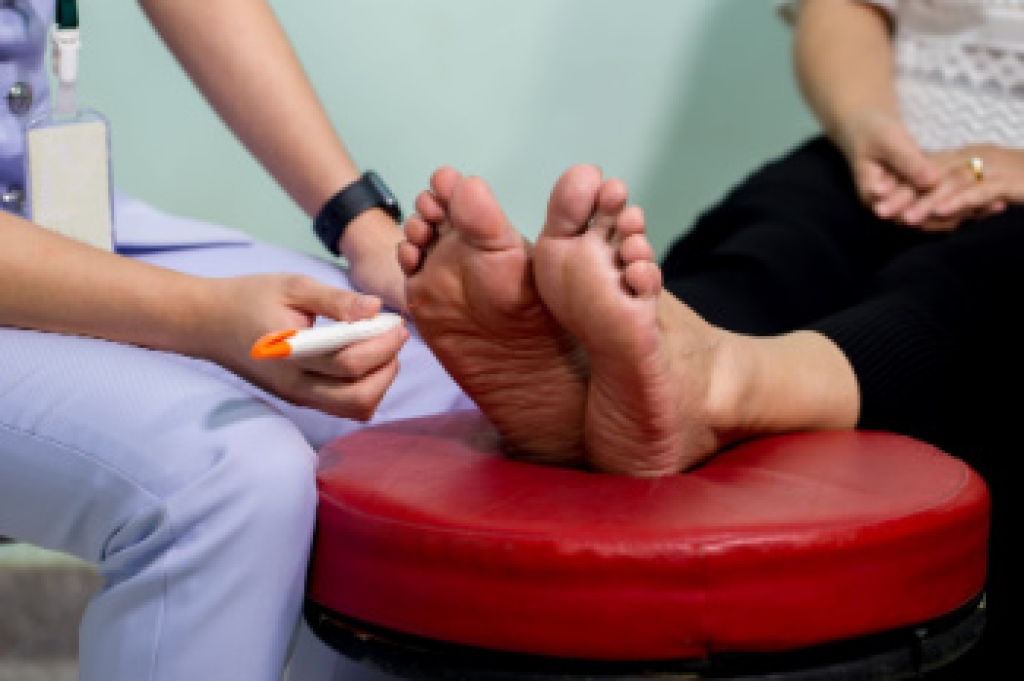
Peripheral Neuropathy and Foot Health

Peripheral neuropathy involves damage or destruction of nerves outside the brain and spinal cord. They transmit signals between the central nervous system and the rest of the body. Damage can be caused by diabetes, infections, toxins, or trauma. Sensory neuropathy affects the ability to feel pain, temperature, and touch. Motor neuropathy impacts muscle control and movement. Autonomic neuropathy affects involuntary functions, such as sweating and blood flow regulation. Risk factors include long-standing diabetes, excessive alcohol use, and certain medical conditions. Symptoms may include numbness, tingling, burning pain, and muscle weakness in the feet, often leading to balance problems and injury risk. A podiatrist can assess nerve function, identify complications, and provide treatment to protect the feet from injury. If you have symptoms of peripheral neuropathy, it is suggested that you consult a podiatrist who can offer effective relief and management solutions.

Neuropathy

Neuropathy can be a potentially serious condition, especially if it is left undiagnosed. If you have any concerns that you may be experiencing nerve loss in your feet, consult with Patrick Bruton, DPM from Big Country foot and Ankle. Our doctor will assess your condition and provide you with quality foot and ankle treatment for neuropathy.

What Is Neuropathy?

Neuropathy is a condition that leads to damage to the nerves in the body. Peripheral neuropathy, or neuropathy that affects your peripheral nervous system, usually occurs in the feet. Neuropathy can be triggered by a number of different causes. Such causes include diabetes, infections, cancers, disorders, and toxic substances.

Symptoms of Neuropathy Include:

  • Numbness
  • Sensation loss
  • Prickling and tingling sensations
  • Throbbing, freezing, burning pains
  • Muscle weakness

Those with diabetes are at serious risk due to being unable to feel an ulcer on their feet. Diabetics usually also suffer from poor blood circulation. This can lead to the wound not healing, infections occurring, and the limb may have to be amputated.

Treatment

To treat neuropathy in the foot, podiatrists will first diagnose the cause of the neuropathy. Figuring out the underlying cause of the neuropathy will allow the podiatrist to prescribe the best treatment, whether it be caused by diabetes, toxic substance exposure, infection, etc. If the nerve has not died, then it’s possible that sensation may be able to return to the foot.

Pain medication may be issued for pain. Electrical nerve stimulation can be used to stimulate nerves. If the neuropathy is caused from pressure on the nerves, then surgery may be necessary.

If you have any questions, please feel free to contact our offices located in Abilene, and Brownwood, TX . We offer the newest diagnostic and treatment technologies for all your foot care needs.
Read more about Neuropathy

Facts About Ingrown Toenails

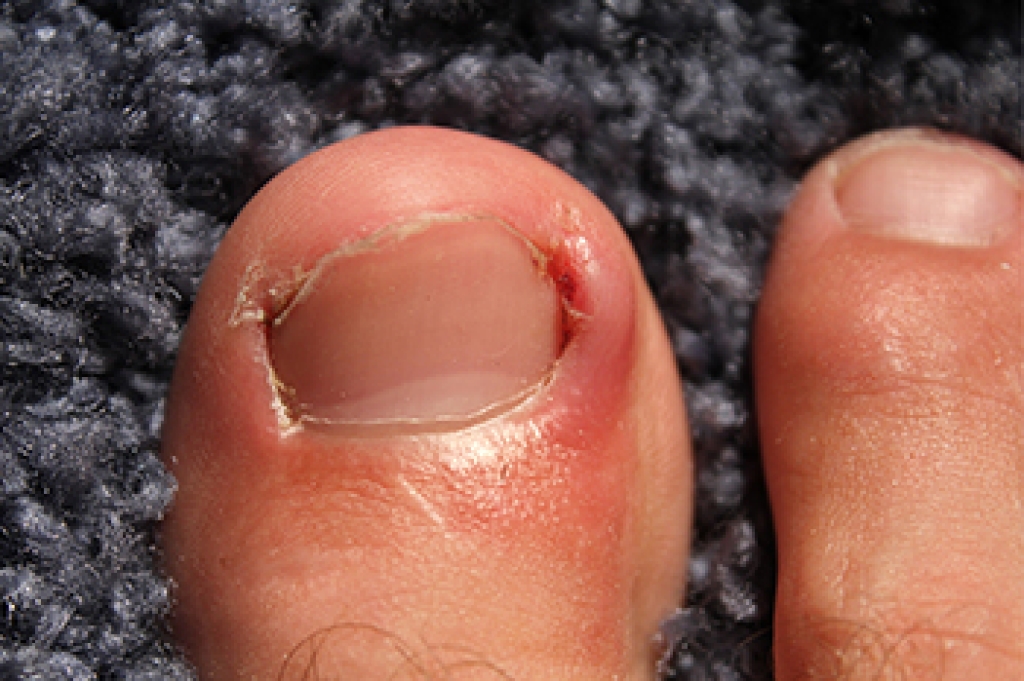
An ingrown toenail occurs when the edge of a nail grows into the surrounding skin, causing irritation and pain. This condition often appears as redness, swelling, and tenderness along the nail border, and may lead to drainage or infection if untreated. Common causes include improper nail trimming, tight footwear, toe injuries, and natural nail shape. Risk factors include diabetes, poor circulation, excessive sweating, and repetitive pressure on the toes. A podiatrist can relieve discomfort by removing the ingrown portion safely, treating infection, and guiding proper nail growth. They may also address underlying nail deformities, provide guidance on footwear, and use specialized techniques to prevent recurrence while protecting surrounding tissue. If you have a painful ingrown toenail, it is suggested that you consult a podiatrist who can offer effective treatment, which may include minor surgery.

Ingrown toenails can become painful if they are not treated properly. For more information about ingrown toenails, contact Patrick Bruton, DPM of Big Country foot and Ankle. Our doctor can provide the care you need to keep you pain-free and on your feet.

Ingrown Toenails

Ingrown toenails occur when a toenail grows sideways into the bed of the nail, causing pain, swelling, and possibly infection.

Causes

  • Bacterial infections
  • Improper nail cutting such as cutting it too short or not straight across
  • Trauma to the toe, such as stubbing, which causes the nail to grow back irregularly
  • Ill-fitting shoes that bunch the toes too close together
  • Genetic predisposition

Prevention

Wearing proper fitting shoes and using proper cutting techniques will also help decrease your risk of developing ingrown toenails.

Treatment

Ingrown toenails are a very treatable foot condition. In minor cases, soaking the affected area in salt or antibacterial soaps will not only help with the ingrown nail itself, but also help prevent any infections from occurring. In more severe cases, surgery is an option. In either case, speaking to your podiatrist about this condition will help you get a better understanding of specific treatment options that are right for you.

If you have any questions, please feel free to contact our offices located in Abilene, and Brownwood, TX . We offer the newest diagnostic and treatment technologies for all your foot care needs.
Read more about Ingrown Toenail Care

Treatment Options for Diabetic Foot Ulcers

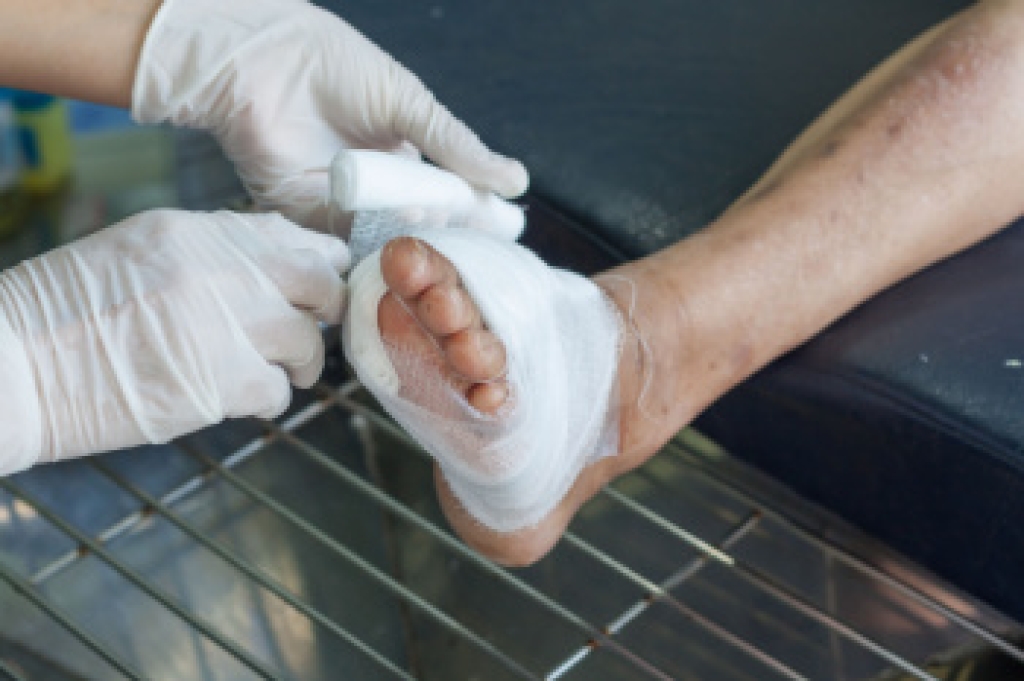
Diabetic foot ulcers are open sores that can develop when high blood sugar damages nerves and reduces blood flow in the feet. People with diabetic neuropathy may not feel pain from cuts, blisters, or pressure points, which allows wounds to worsen. Poor circulation also slows healing and raises the risk of infection. Common signs include redness, swelling, drainage, and skin that feels warm around the sore. Foot deformities, poorly fitting shoes, and repeated pressure while walking can also increase the risk of ulcers. A podiatrist can examine the wound, check circulation, and remove damaged tissue to help healthy skin heal. Treatment also includes special dressings, reducing pressure on the foot with supportive devices, and managing infection. Early care is important because untreated ulcers can lead to serious complications, including loss of limb. If you have developed diabetic foot ulcers, it is suggested that you make an appointment with a podiatrist. 

Diabetic foot care is important in preventing foot ailments such as ulcers. If you are suffering from diabetes or have any other concerns about your feet, contact Patrick Bruton, DPM from Big Country foot and Ankle. Our doctor can provide the care you need to keep you pain-free and on your feet.

Diabetic Foot Care

Diabetes affects millions of people every year. The condition can damage blood vessels in many parts of the body, especially the feet. Because of this, taking care of your feet is essential if you have diabetes, and having a podiatrist help monitor your foot health is highly recommended.

The Importance of Caring for Your Feet

  • Routinely inspect your feet for bruises or sores.
  • Wear socks that fit your feet comfortably.
  • Wear comfortable shoes that provide adequate support.

Patients with diabetes should have their doctor monitor their blood levels, as blood sugar levels play such a huge role in diabetic care. Monitoring these levels on a regular basis is highly advised.

It is always best to inform your healthcare professional of any concerns you may have regarding your feet, especially for diabetic patients. Early treatment and routine foot examinations are keys to maintaining proper health, especially because severe complications can arise if proper treatment is not applied.

If you have any questions, please feel free to contact our offices located in Abilene, and Brownwood, TX . We offer the newest diagnostic and treatment technologies for all your foot care needs.

Read more about Diabetic Foot Conditions

Painful Joint Swelling Due to Gout

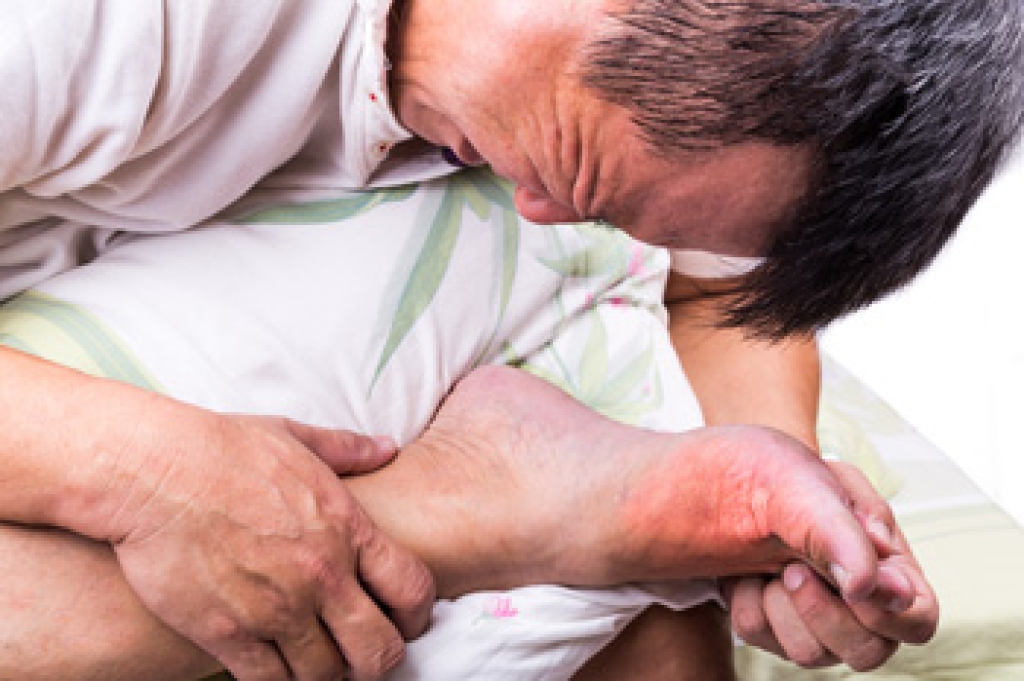
Gout is a form of inflammatory arthritis that develops when uric acid crystals collect inside a joint and trigger sudden episodes of pain and swelling. The condition most commonly affects the big toe, but it can also involve the ankle, heel, or other joints in the foot. A gout flare may begin quickly and cause intense throbbing pain, redness, and tenderness. The affected joint may appear swollen and shiny, and even light pressure from socks or blankets can feel uncomfortable. Walking may become difficult. Gout attacks are often linked to dehydration, kidney problems, and certain medication. Foods high in purines, such as red meat and seafood, may be a factor. Repeated flare-ups may lead to long-term joint damage if the condition is not properly treated. A podiatrist can evaluate the painful joint and recommend treatment to reduce inflammation and improve mobility. If you have symptoms of gout, it is suggested that you schedule an appointment with a podiatrist for appropriate treatment for this painful condition.

Gout is a foot condition that requires certain treatment and care. If you are seeking treatment, contact Patrick Bruton, DPM from Big Country foot and Ankle. Our doctor will treat your foot and ankle needs.

What Is Gout?

Gout is a type of arthritis caused by a buildup of uric acid in the bloodstream. It often develops in the foot, especially the big toe area, although it can manifest in other parts of the body as well. Gout can make walking and standing very painful and is especially common in diabetics and the obese.

People typically get gout because of a poor diet. Genetic predisposition is also a factor. The children of parents who have had gout frequently have a chance of developing it themselves.

Gout can easily be identified by redness and inflammation of the big toe and the surrounding areas of the foot. Other symptoms include extreme fatigue, joint pain, and running high fevers. Sometimes corticosteroid drugs can be prescribed to treat gout, but the best way to combat this disease is to get more exercise and eat a better diet.

If you have any questions, please feel free to contact our offices located in Abilene, and Brownwood, TX . We offer the newest diagnostic and treatment technologies for all your foot care needs.

Read more about Everything You Need to Know About Gout

Connect With Us