
Have your child's feet been examined lately? Healthy feet are happy feet. If your child is complaining of foot pain, it may be a sign of underlying problems.
Have your child's feet been examined lately? Healthy feet are happy feet. If your child is complaining of foot pain, it may be a sign of underlying problems.

Toe pain from hiking is a common issue that affects both beginner and experienced hikers. It occurs when repeated pressure, friction, and impact irritate the toes during long periods of walking on uneven terrain. The toes absorb significant force with each step, especially on downhill trails, which can lead to discomfort and injury. Common causes include wearing improper footwear, poor fit, and continuous impact of the foot hitting the ground. Understanding how toe pain develops can help hikers take steps to protect their feet and improve overall comfort on the trail.
Symptoms of toe pain from hiking vary depending on the cause but often include soreness, swelling, and redness. Blisters are a frequent complaint and develop due to friction between the skin and footwear. A bruised toenail may also occur when the toes repeatedly strike the front of the shoe, leading to discoloration and pain. In more severe cases, hikers may experience throbbing pain or difficulty walking. These symptoms can worsen if not addressed early, making it important to recognize warning signs.
Several risk factors increase the likelihood of toe pain during hiking. Wearing shoes that are too tight or too loose can create excess movement or pressure. Long hikes, steep descents, and carrying heavy packs place additional stress on the toes. Moisture from sweat can soften the skin and increase friction, leading to blisters. Poor nail care and inadequate cushioning also contribute to discomfort. These factors combined can lead to repeated trauma that affects the toes over time.
Preventing toe pain starts with selecting properly fitted hiking shoes that provide adequate toe room and support. Moisture wicking socks, proper lacing techniques, and trimming toenails can reduce friction and pressure. Taking breaks and adjusting footwear during hikes can also help minimize discomfort. Early care is essential to avoid worsening symptoms. If you have toe pain from hiking, it is suggested that you consult a podiatrist for effective relief solutions and prevention tips.
Toe pain can disrupt your daily activities. If you have any concerns, contact Patrick Bruton, DPM of Big Country foot and Ankle. Our doctor can provide the care you need to keep you pain-free and on your feet.
What Causes Toe Pain?
Most severe toe pain is caused due to a sports injury, trauma from dropping something heavy on the toe, or bumping into something rigid. Other problems can develop over time for various reasons.
Toe pain can be caused by one or more ailments. The most common include:
When to See a Podiatrist
Diagnosis
In many cases the cause of toe pain is obvious, but in others, a podiatrist may want to use more advanced methods to determine the problem. These can range from simple visual inspections and sensation tests to X-rays and MRI scans. Prior medical history, family medical history, and any recent physical traumatic events will all be taken into consideration for a proper diagnosis.
Treatment
Treatments for toe pain and injuries vary and may include shoe inserts, padding, taping, medicines, injections, and in some cases, surgery. If you believe that you have broken a toe, please see a podiatrist as soon as possible.
If you have any questions please contact our offices located in Abilene, and Brownwood, TX . We offer the newest diagnostic and treatment technologies for all your foot and ankle needs.
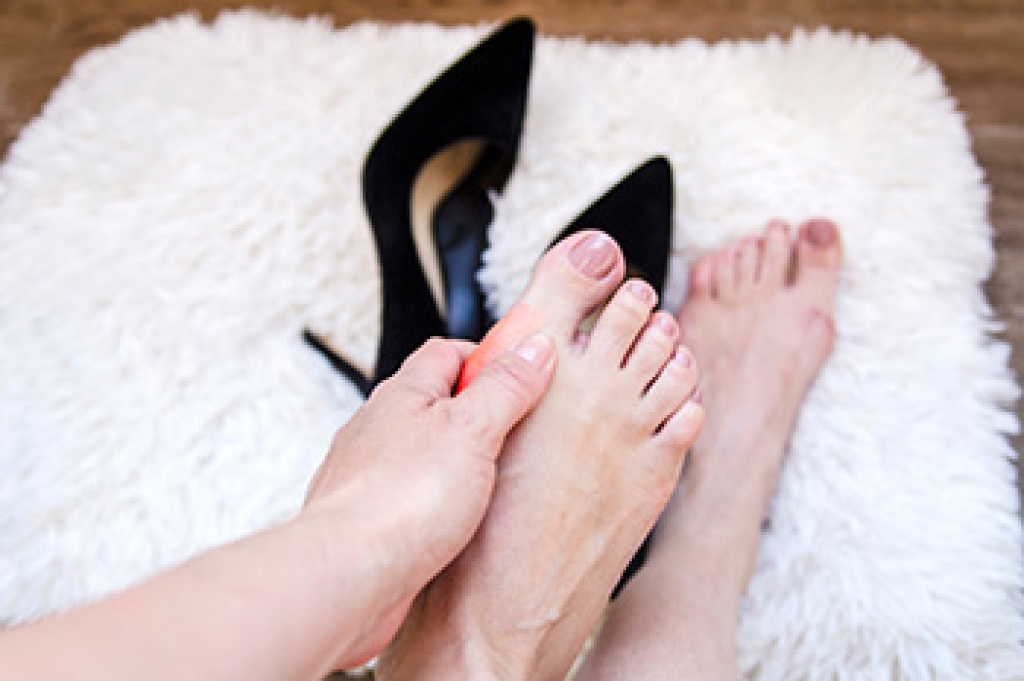
High heels have long been associated with beauty, style, and confidence, but they can also place extra stress on the feet and the rest of the body. Raising the heel shifts body weight forward and increases pressure on the toes and the ball of the foot. The higher the heel, the greater the force placed on these areas. This added pressure can lead to painful problems like corns, calluses, blisters, and pinched nerves. High heels can also contribute to heel pain, stiffness, or discomfort while walking. Narrow shoes can crowd the toes and increase the risk of hammertoes and bunions, which are painful deformities of the big toe.
Unfortunately, the negative effects of high heels extend beyond the feet. Keeping the foot pointed downward places the both calf muscles and the Achilles tendon in a shortened position. This can contribute to Achilles tendon pain and Haglund's deformity, a painful bony bump on the back of the heel. Walking in high heels also changes the way the knees move and absorb force. This places extra strain on the knee joints and muscles. The hips and lower back also adjust to maintain balance. As the body's center of gravity shifts forward, the back arches more than normal.
A podiatrist can evaluate the effects wearing high heels has had on your feet and ankles and identify problems before they become more serious. Treatment includes a detailed examination, diagnostic imaging when appropriate, and recommendations for shoes that provide proper support. A podiatrist also treats bunions, hammertoes, and other conditions caused or made worse by high heels. In some cases, surgery is the best option to restore comfort and improve foot function. If you have foot or ankle pain after wearing high heels, it is suggested that you schedule an appointment with a podiatrist for a diagnosis and appropriate treatment.
High heels have a history of causing foot and ankle problems. If you have any concerns about your feet or ankles, contact Patrick Bruton, DPM from Big Country foot and Ankle. Our doctor can provide the care you need to keep you pain-free and on your feet.
Effects of High Heels on the Feet
High heels are popular shoes among women because of their many styles and societal appeal. Despite this, high heels can still cause many health problems if worn too frequently.
Which Parts of My Body Will Be Affected by High Heels?
What Kinds of Foot Problems Can Develop from Wearing High Heels?
How Can I Still Wear High Heels and Maintain Foot Health?
If you want to wear high heeled shoes, make sure that you are not wearing them every day, as this will help prevent long term physical problems. Try wearing thicker heels as opposed to stilettos to distribute weight more evenly across the feet. Always make sure you are wearing the proper shoes for the right occasion, such as sneakers for exercising. If you walk to work, try carrying your heels with you and changing into them once you arrive at work. Adding inserts to your heels can help cushion your feet and absorb shock. Full foot inserts or metatarsal pads are available.
If you have any questions, please feel free to contact our offices located in Abilene, and Brownwood, TX . We offer the newest diagnostic and treatment technologies for all your foot care needs.

Athlete’s foot, also known as tinea pedis, is a common fungal infection that affects the skin on the feet. Despite its name, athlete’s foot can develop in anyone, not just athletes. The infection thrives in warm, moist environments and often spreads through direct contact with contaminated surfaces. Athlete’s foot commonly affects the skin between the toes, but it can also appear on the soles, sides, or tops of the feet. Symptoms may include itching, burning, redness, peeling skin, and cracking. In some cases, the affected skin may become dry, flaky, or painful, making everyday activities uncomfortable.
Because athlete’s foot is contagious, it can spread from one area of the foot to another or even to other parts of the body. If left untreated, the infection may worsen and increase the risk of secondary skin infections. Some people experience recurring athlete’s foot, especially if the underlying causes are not addressed. The condition can sometimes be mistaken for eczema, psoriasis, or other skin disorders, which is why an accurate diagnosis is important. Persistent foot itching, skin irritation, and changes in the appearance of the skin should not be ignored, particularly when symptoms continue to worsen or interfere with daily activities.
A podiatrist is a foot and ankle specialist who can diagnose and treat athlete’s foot and other foot skin conditions. During an evaluation, a podiatrist can determine whether symptoms are caused by a fungal infection or another condition requiring different treatment. Professional care may include prescription-strength antifungal medications and recommendations designed to help prevent the infection from returning. Early treatment can help reduce discomfort and limit the spread of the infection. If you are experiencing foot itching, peeling skin, redness, or persistent symptoms that may be related to athlete’s foot, it is suggested that you consult a podiatrist for an evaluation and appropriate treatment options.
Athlete’s foot is an inconvenient condition that can be easily reduced with the proper treatment. If you have any concerns about your feet and ankles, contact Patrick Bruton, DPM from Big Country foot and Ankle. Our doctor will treat your foot and ankle needs.
Athlete’s Foot: The Sole Story
Athlete's foot, also known as tinea pedis, can be an extremely contagious foot infection. It is commonly contracted in public changing areas and bathrooms, dormitory style living quarters, around locker rooms and public swimming pools, or anywhere your feet often come into contact with other people.
Solutions to Combat Athlete’s Foot
Athlete’s foot can cause many irritating symptoms such as dry and flaking skin, itching, and redness. Some more severe symptoms can include bleeding and cracked skin, intense itching and burning, and even pain when walking. In the worst cases, Athlete’s foot can cause blistering as well. Speak to your podiatrist for a better understanding of the different causes of Athlete’s foot, as well as help in determining which treatment options are best for you.
If you have any questions please feel free to contact our offices located in Abilene, and Brownwood, TX . We offer the newest diagnostic and treatment technologies for all your foot and ankle needs.
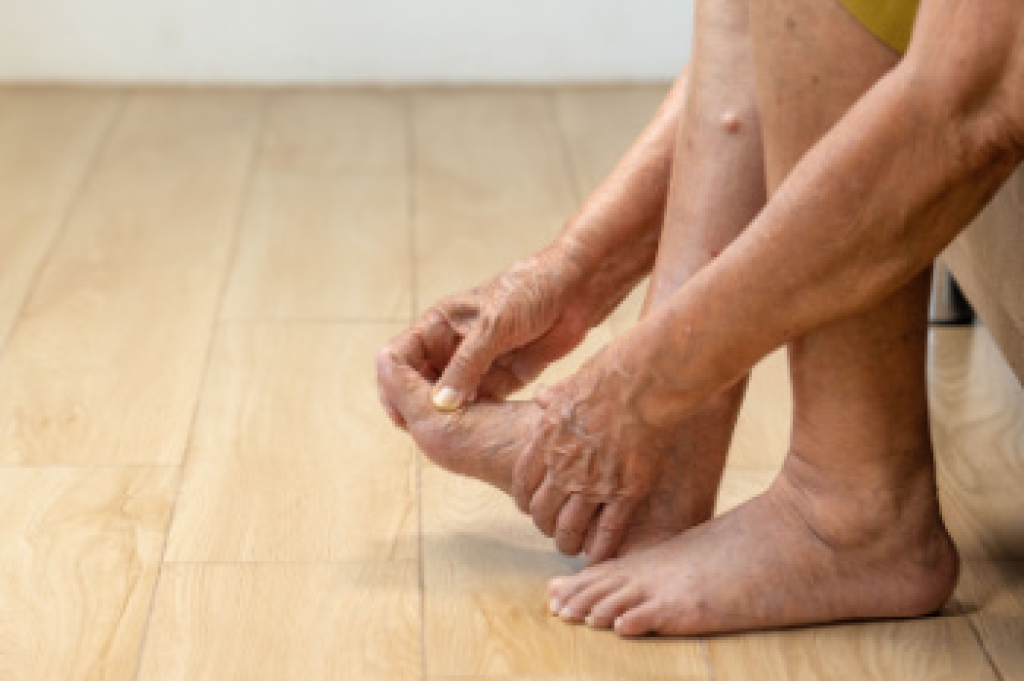
Inflammatory arthritis can affect the joints of the feet and ankles, sometimes making everyday movement uncomfortable and difficult. Because the foot contains many small joints, ongoing inflammation can lead to pain, stiffness, swelling, warmth, and tenderness, especially in the morning or after periods of rest. Some people notice discomfort in the ball of the foot, heel, toes, or ankle, while others develop changes in foot shape over time as joint damage progresses. Walking may become harder, and supportive shoes may suddenly feel uncomfortable. Since these symptoms can worsen without treatment, evaluation is important to identify the source of pain and protect joint function. Treatment may include custom orthotics, footwear guidance, supportive bracing, activity adjustments, and other therapies aimed at reducing stress on affected areas. If you have foot pain related to inflammatory arthritis, it is suggested that you visit a podiatrist for effective relief and management tips.
Arthritis can be a difficult condition to live with. If you are seeking treatment, contact Patrick Bruton, DPM from Big Country foot and Ankle. Our doctor can provide the care you need to keep you pain-free and on your feet.
Arthritic Foot Care
Arthritis is a joint disorder that involves the inflammation of different joints in your body, such as those in your feet. Arthritis is often caused by a degenerative joint disease and causes mild to severe pain in all affected areas. In addition to this, swelling and stiffness in the affected joints can also be a common symptom of arthritis.
In many cases, wearing ill-fitting shoes can worsen the effects and pain of arthritis. Wearing shoes that have a lower heel and extra room can help your feet feel more comfortable. In cases of rheumatoid arthritis, the arch in your foot may become problematic. Buying shoes with proper arch support that contour to your feet can help immensely.
Alleviating Arthritic Pain
It is best to see your doctor for the treatment that is right for your needs and symptoms. Conditions vary, and a podiatrist can help you determine the right method of care for your feet.
If you have any questions please feel free to contact our offices located in Abilene, and Brownwood, TX . We offer the newest diagnostic tools and technology to treat your foot and ankle needs.
Connect With Us
